
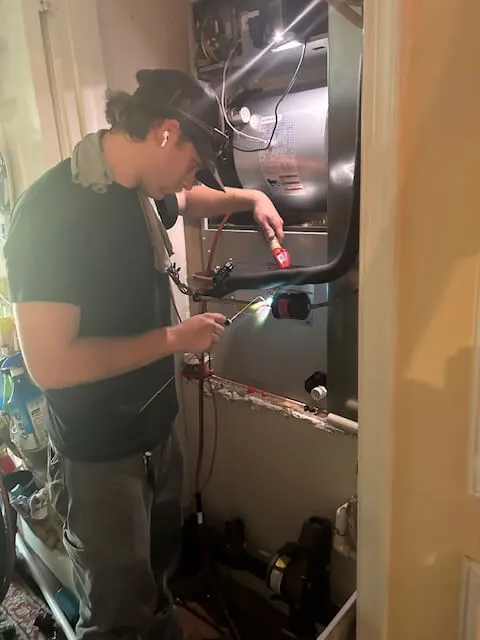

Cost-Effective Boiler Solutions for Your Home or Business
Is your oil boiler struggling to keep up, leading to high maintenance costs and inefficient heating? For many homeowners and business owners, making the switch to a more reliable and cost-effective option like a natural gas or propane boiler can significantly lower energy bills and reduce environmental impact.
Deciding to upgrade your heating system is a major investment. It requires careful consideration of your property’s needs, your budget, and the long-term benefits. Understanding the drawbacks of older systems and the advantages of modern alternatives is the first step toward making an informed decision. Below we will walk you through the inefficiencies of oil boilers, the benefits of switching to gas or propane, and the factors you should consider before making a change.
Understanding Oil Boiler Inefficiencies
While once a common choice, oil boilers are now often seen as an outdated and inefficient heating solution. They come with a unique set of challenges that can make them costly and cumbersome for property owners.
High and Volatile Fuel Costs
One of the most significant drawbacks of an oil boiler is its reliance on heating oil, a fuel source with a notoriously volatile price. Global market fluctuations can cause sudden and dramatic price spikes, making it difficult to budget for heating expenses. In contrast, natural gas prices have historically been more stable and generally lower, providing a more predictable and affordable energy source.
Frequent and Costly Maintenance
Oil boilers require more maintenance than their gas or propane counterparts. The combustion process in an oil boiler produces soot and other residues that build up over time, which can clog the system and reduce its efficiency. This requires annual professional servicing to clean components, replace nozzles, and change filters. Neglecting this maintenance can lead to breakdowns, inefficient operation, and a shorter lifespan for the unit, resulting in expensive emergency repairs.
Environmental Impact
Oil is a fossil fuel that releases a higher volume of carbon dioxide, sulfur dioxide, and nitrogen oxides compared to natural gas. These emissions contribute to air pollution and have a greater environmental footprint. As regulations become stricter and environmental awareness grows, switching to a cleaner-burning fuel like natural gas or propane is a responsible choice that helps reduce your property’s carbon emissions.
Fuel Storage and Delivery Concerns
Unlike natural gas, which is delivered continuously through a pipeline, heating oil must be stored on-site in a large tank. This tank takes up valuable space and can be an eyesore. You are also responsible for monitoring fuel levels and scheduling deliveries, which can be inconvenient, especially during harsh winter weather. A late delivery could leave you without heat when you need it most.
The Benefits of Switching to Natural Gas or Propane
Upgrading from an oil boiler to a natural gas or propane system offers substantial benefits that enhance comfort, reduce costs, and improve reliability.
Significant Cost Savings
The primary driver for many homeowners to switch is the potential for significant long-term savings.
- Lower Fuel Costs: Natural gas is typically cheaper than heating oil, which can lead to a noticeable reduction in your monthly energy bills.
- Higher Efficiency: Modern gas and propane boilers are highly efficient, with Annual Fuel Utilization Efficiency (AFUE) ratings often exceeding 95%. This means that 95 cents of every dollar you spend on fuel is converted into heat for your home. Older oil boilers often have AFUE ratings as low as 60-70%.
- Reduced Maintenance: Gas and propane systems burn cleaner, resulting in less buildup and fewer maintenance requirements. This translates to lower annual service costs.
Increased Reliability and Convenience
Natural gas provides a continuous and reliable fuel supply directly to your property through an underground pipeline. You never have to worry about running out of fuel or scheduling deliveries. Propane, while stored in a tank like oil, is a much cleaner fuel, and modern systems often come with automated monitoring and delivery services.
Environmental Advantages
Both natural gas and propane are cleaner-burning fuels compared to oil. Switching to one of these options will reduce your home’s carbon footprint by lowering emissions of greenhouse gases and other pollutants. This makes your heating system more environmentally friendly and contributes to better local air quality.
Factors to Consider Before Switching
Before committing to a new boiler, it’s important to assess several key factors to ensure you choose the best system for your needs.

Property Size and Heating Needs
The size of your property is a crucial factor in determining the appropriate boiler capacity. A unit that is too small will struggle to heat your space effectively, while an oversized unit will cycle on and off too frequently, wasting energy and causing unnecessary wear. An expert technician can perform a heat load calculation to determine the precise size and capacity needed for your home or business.

Availability of Natural Gas
The first step is to check if a natural gas line is available in your area. If it is, connecting to the grid is often the most cost-effective and convenient choice. If natural gas is not available, a high-efficiency propane boiler is an excellent alternative that offers similar benefits in terms of efficiency and cleanliness.

Budget and Installation Costs
The upfront cost of a new boiler and its installation is a significant consideration. This includes the price of the unit itself, labor costs, and any necessary modifications to your existing infrastructure, such as running new gas lines or removing an old oil tank. While the initial investment can be substantial, it's important to weigh it against the long-term savings on fuel and maintenance. Financing options and manufacturer rebates may also be available to help offset the cost.
Ask About Our Maintenance Program!
Want even more benefits? Ask about H.T.R. Mechanical’s maintenance program! Members enjoy exclusive deals, priority scheduling, and regular check-ups to keep their systems running smoothly year-round.
The Importance of a Professional Consultation
Choosing and installing a new boiler is not a DIY project. The process is complex and requires the expertise of a licensed and experienced HVAC professional. A professional consultation is essential to ensure you make the right choice and that the system is installed safely and correctly.
During a consultation, a qualified technician will:
- Assess your current heating system and infrastructure.
- Perform a detailed heat load calculation.
- Discuss your heating needs, budget, and efficiency goals.
- Recommend the best type and size of boiler for your property.
- Provide a detailed, personalized quote for the installation.
Attempting to install a boiler without the proper knowledge and tools can lead to safety hazards, code violations, and inefficient performance. Trusting a professional ensures your new system operates at peak efficiency and provides reliable comfort for years to come.
Upgrade to a More Efficient Future
Switching from an old, inefficient oil boiler to a modern natural gas or propane system is a smart investment in your property’s comfort, value, and sustainability. The benefits—including lower energy bills, increased reliability, and a smaller environmental footprint—provide both immediate and long-term advantages. While the upfront cost is a factor, the ongoing savings and improved performance make it a worthwhile upgrade for any homeowner or business owner.
Are you ready to explore a more efficient and sustainable heating solution? Call our office today to schedule a comprehensive estimate. Our team of experts will work with you to determine the best option for your specific needs and take the first step toward a warmer, more cost-effective future.
Contact The Experts
Service Area:
Bristol, Bensalem, Levittown, Langhorne, Morrisville, Feasterville, Warminster, Doylestown, Southampton, Yardley, Newtown, Horsham, Glenside and throughout Bucks County and Montgomery County areas.
Phone:
(267)798-5005
E-mail:
office@htrmechanical.com
Working Hours
Monday-Friday: 7AM – 5PM;
Saturday-Sunday: By Appointment
24/7 Emergency Service Availability
